
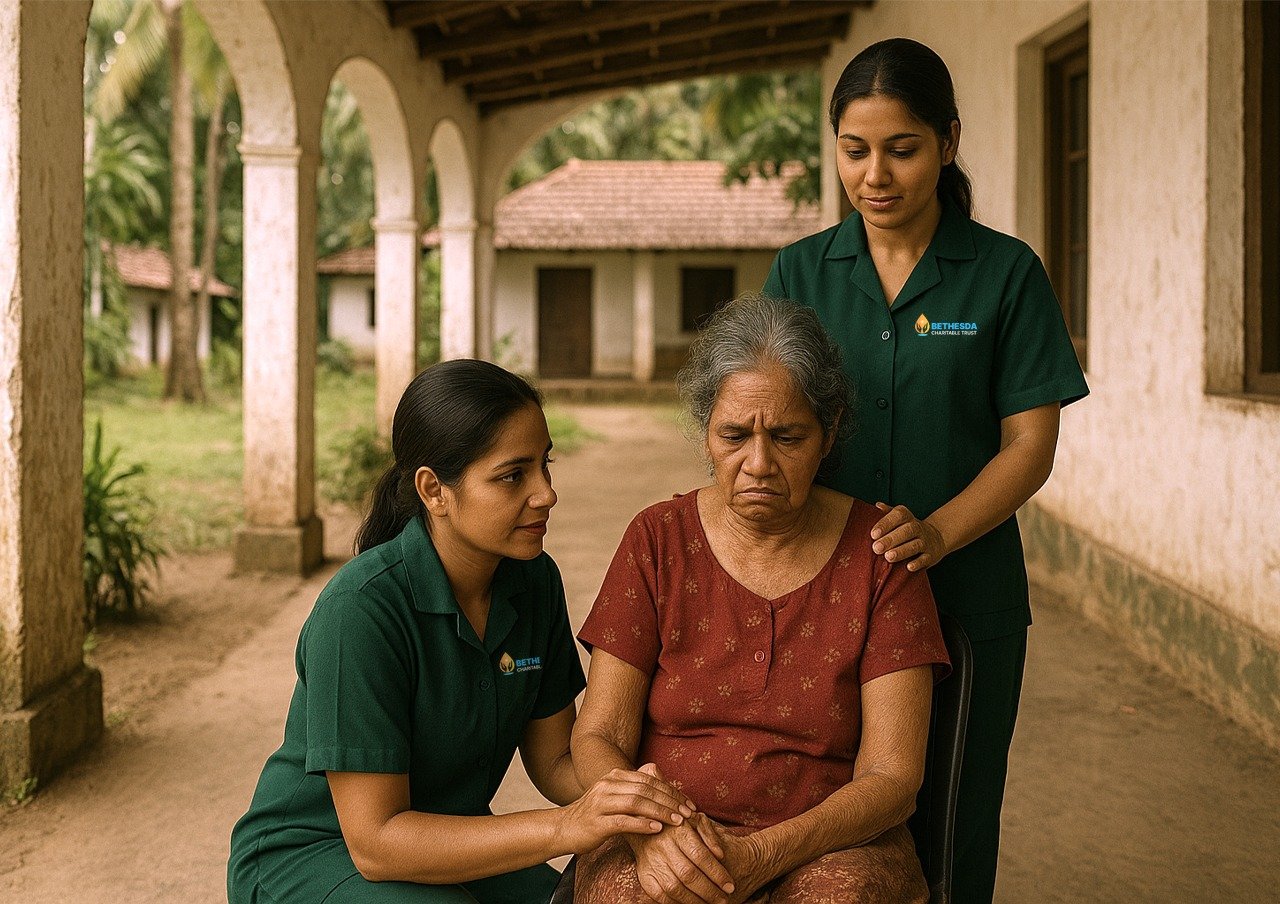
What Is Mental Health?
Mental health refers to our cognitive, emotional, and behavioral well-being. It influences how we think, feel, act, handle stress, relate to others, and make choices.
The World Health Organization (WHO) defines it as:
“A state of well-being in which the individual realizes his or her own abilities, can cope with the normal stresses of life, can work productively and fruitfully, and is able to make a contribution to his or her community.”
Unlike physical health, which is often visible, mental health operates on a continuum:
- Flourishing: High positive emotions, life satisfaction, and effective functioning.
- Languishing: Low positive emotions, feeling “stuck” or empty.
- Mental illness: Clinically significant disturbances such as depression or schizophrenia.
Everyone experiences different points on this spectrum at various times. Poor mental health is not a personal failing—it is a part of the human experience.
Why It Matters
Prevalence:
In 2023, WHO estimated that 1 in 8 people globally live with a mental disorder.
In the U.S., the 2022 National Survey on Drug Use and Health found that around 23% of adults experienced a mental illness in the past year.
Impact:
Untreated mental health conditions cost the global economy about $1 trillion annually in lost productivity (WHO, 2019).
They also increase the risk of physical illnesses — for example, depression doubles the risk of heart disease.
Stigma:
Despite the prevalence, only about 40% of those with depression in high-income countries receive minimally adequate treatment (Lancet Commission, 2022).
Bethesda’s Commitment to Mental Wellness
Taking into consideration the plight of such individuals, the State Government has initiated specific measures to reduce their hardships.
Comprehensive welfare programs and initiatives have been implemented as steps toward the betterment of society.
The government has outlined several innovative and effective plans to improve the living conditions of differently-abled persons.
A wide spectrum of services—such as access to education, sanitary facilities, and a hygienic atmosphere—helps them live and learn in peace.
At Bethesda Charitable Trust, we render optimum treatment and services with care and compassion, supported by various welfare activities.
It is the unselfish love shown toward differently-abled and mentally challenged individuals that drives us to serve with dedication.
Once we truly accept that they are our brothers and sisters, we can collectively work to help them lead successful, dignified, and secure lives.
A Call to Action
Friends and fellow citizens —
Let us unite for a better society and a peaceful nation.
Together, we can create a world where mental wellness is valued, and every individual is treated with the care, respect, and love they deserve.
